

What Is Sexuality? It Is So Much More Than Sex
A Question That Broke Our Hearts
It was a beautiful day, and the Velora team was answering customer questions as usual when one message changed the mood completely.
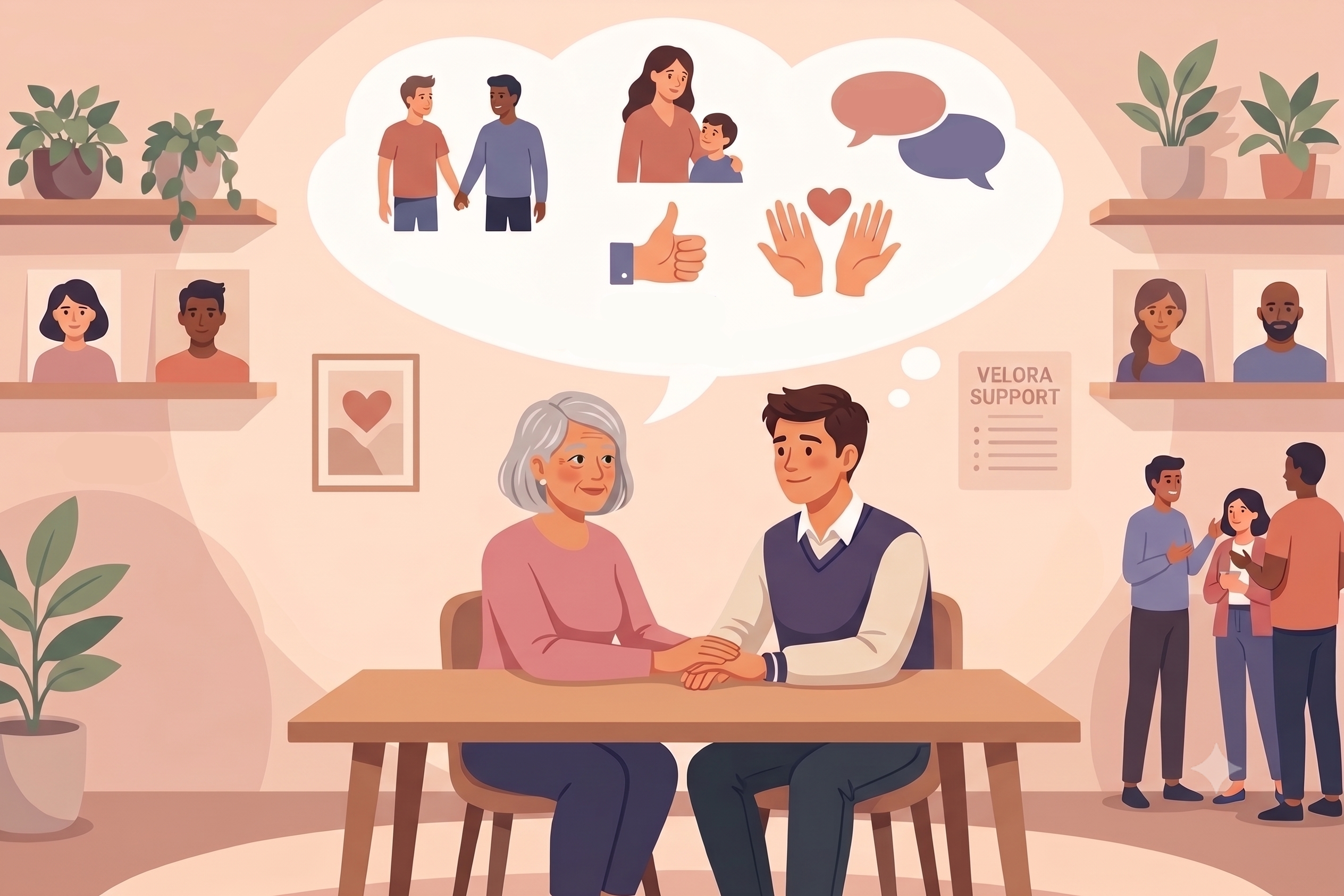
A mother was looking for a personal massager for her 19-year-old son. He was gay and attending college in a smaller, less inclusive area. She had only recently discovered how severely he was being bullied. On a good day, other students laughed at him. On an average day, they called him cruel names. On a bad day, he found garbage and hateful messages left among his belongings.
She learned how serious the situation had become only after her son asked to see a doctor for sleeping medication and shared that he might be having thoughts of suicide. While asking whether one of our products could be suitable for a gay young man—and whether giving it to him could send a message of love and acceptance—she began to cry.
We hear painful stories like this from time to time, but each one brings a moment of silence to our team meetings. We offered the product free of charge and tried to arrange therapy, but professional restrictions and the language barrier made that impossible. One of our founders stayed in contact and helped connect the family with a small local community that, sadly, still had to remain largely hidden.
The young man later moved to a larger city to continue his studies. He became a machine-learning engineer and built a happy life with his boyfriend. When we met him later at a dinner, we did not bring up the past. We simply saw a confident, positive young man who appeared comfortable with himself. His mother later told us that acceptance and support had made an enormous difference. We are deeply grateful for how his story has unfolded, and we admire the courage shown by both mother and son. With their consent, we are sharing this story while withholding some details to protect their privacy.
The experience stayed with us because it showed how deeply sexuality is still misunderstood. For many people, “good sexuality” means having the “proper” kind of sex, with the “proper” person, the “proper” number of times.
But sexuality is far more personal, complex and human than that.
What Is Sexuality?
Sexuality is not simply what happens during sex. It is the lifelong way we experience and express our bodies, identities, attraction, pleasure, intimacy and relationships. It includes how you feel about yourself and your body, how you connect with other people, what feels erotic, what attracts you, how you experience intimacy, your fantasies, and the accelerators and brakes that shape desire.
The World Health Organization describes sexuality as a central part of being human throughout life. It includes sex, gender identities and roles, sexual orientation, pleasure, eroticism, intimacy and reproduction. It may be expressed through thoughts, desires, fantasies, values, behaviours, roles and relationships—but no person has to experience or express every dimension.
A Canadian sexual-health guide similarly explains that sexuality includes our bodies, identities, behaviours and relationships, and that the way we experience or express it can change over time.
Some parts of sexuality may remain consistent. Others—such as desire, confidence, fantasies, body image and relationship needs—may evolve through parenthood, stress, illness, menopause, aging or new relationships.
What Healthy Sexuality Means to Velora
Healthy sexuality is not measured by your sexual orientation, how often you have sex, whether you have a partner or whether you reach orgasm.
The World Health Organization defines sexual health as physical, emotional, mental and social well-being in relation to sexuality. It requires a positive and respectful approach, along with the possibility of safe and pleasurable experiences free from coercion, discrimination and violence.
To us, healthy sexuality rests on a shared foundation:
- Consent that is freely given, informed, ongoing and reversible
- Respect for your own boundaries and those of others
- Genuine care, empathy and compassion
- Physical and emotional safety
- Acceptance of human differences
- Honest communication
- Freedom to say yes, no, not now or I am not sure
- Informed decisions about protection, contraception and STI testing
Healthy sexuality also means receiving a refusal without hostility, rejecting someone kindly, being emotionally intimate without assuming every connection must become physical, and allowing yourself to be vulnerable only with people who feel safe.
There is no single correct way to be sexual. Single people, people of every sexual orientation, couples, people with low desire and those choosing not to have sex can all have healthy sexuality.
Sexuality Can Change Without Becoming Less Valid
At the beginning of my marriage, sex felt effortless. So many things seemed sexual, erotic and romantic to me.
Then motherhood and stress arrived, and my brakes seemed permanently activated. For a long time, I could have interpreted that as failure. Instead, I eventually learned that sexuality responds to context.
Unexpectedly, aging—even during my current perimenopause stage—has brought me better sex than I experienced when I was younger. I have learned to take performance out of the equation. I am more accepting of myself, my body and the days when my desire is low. In that sense, my sexuality has become healthier with age. The National Institute on Aging notes that aging can create opportunities to redefine sexuality and intimacy. Some people want both sex and intimacy, some prefer one without the other, and some choose neither. All of these choices are valid when they reflect what a person genuinely wants.
Questions Worth Asking Yourself
Healthy sexuality is an ongoing process, not a test you pass once. The following questions can help you check in with yourself with curiosity rather than judgment.
Values and Beliefs
- What messages about sex did I grow up with?
- Which of those messages do I still believe?
- Am I acting from genuine desire—or from shame, obligation or fear?
Desire and Pleasure
- Do I understand what brings my body pleasure?
- What activates my accelerators, and what applies my brakes?
- Can I express what I enjoy, what I want to explore and what I do not want?
- Do my experiences leave me feeling connected and grounded, or anxious and detached?
Boundaries and Consent
- Can I give a genuine yes and a firm no?
- Can I hear another person’s no without making it about my worth?
- Do I check in with myself and my partner before and during intimacy?
- What are my hard limits, soft limits and dealbreakers?
For an example of exploration built around communication, consent and boundaries, see Velora’s article, What Is BDSM?
Emotional and Physical Well-Being
- Does this relationship or experience support my self-respect?
- Can I discuss sexual health, protection and expectations honestly?
- Am I experiencing pain, fear, pressure, shame or ongoing distress?
- Has something changed in my body, health, medication, stress level or relationship?
There Is No Correct Form of Sexuality
You do not need a particular body, gender expression, relationship, desire level or sexual routine to qualify as a sexual human being.
You do not need to look like a muscular man or a slim, conventionally beautiful woman.
You do not need to perform an idealized version of “amazing sex.”
Acceptance did not change who the young man in our story was. It changed what became possible: safety, confidence, connection and a future he could imagine.
There is no single correct form of sexuality, but the foundation should remain the same: consent, boundaries, genuine care and respect—for yourself, your partner or partners, and the people around you.
What Comes Next
Sexual orientation is one important part of sexuality, but it deserves more space and care than we could give it here.
In Velora’s next article, we will explore what sexual orientation means, whether it can be fluid, and why acceptance matters.
We hope you will join us for that conversation.
A Note About Support
This article briefly mentions suicidal thoughts. If you or someone you know feels unsafe, is experiencing suicidal thoughts, or may be at immediate risk, please contact local emergency services or a crisis-support service in your area. You do not have to face this alone, and reaching out for help is a sign of strength.
Sources
- World Health Organization. “Sexual Health.” World Health Organization. https://www.who.int/health-topics/sexual-health.
- Government of Canada, Department of National Defence. “WDH Guide to Sexuality and Sexual Health.” Updated February 27, 2026. https://www.canada.ca/en/department-national-defence/services/benefits-military/health-support/women-diversity-health/health-guide/sexuality-sexual-health-guide.html.
- National Institute on Aging. “Sexuality and Intimacy in Older Adults.” National Institutes of Health. Reviewed April 18, 2022. https://www.nia.nih.gov/health/sexuality/sexuality-and-intimacy-older-adults.
At Velora Intima, we redefine intimacy through wellness, education, and empowerment. From everyday essentials to adventurous exploration and refined luxury, our thoughtfully designed collections create safe, elegant, and empowering spaces for self-discovery and connection.


Read more
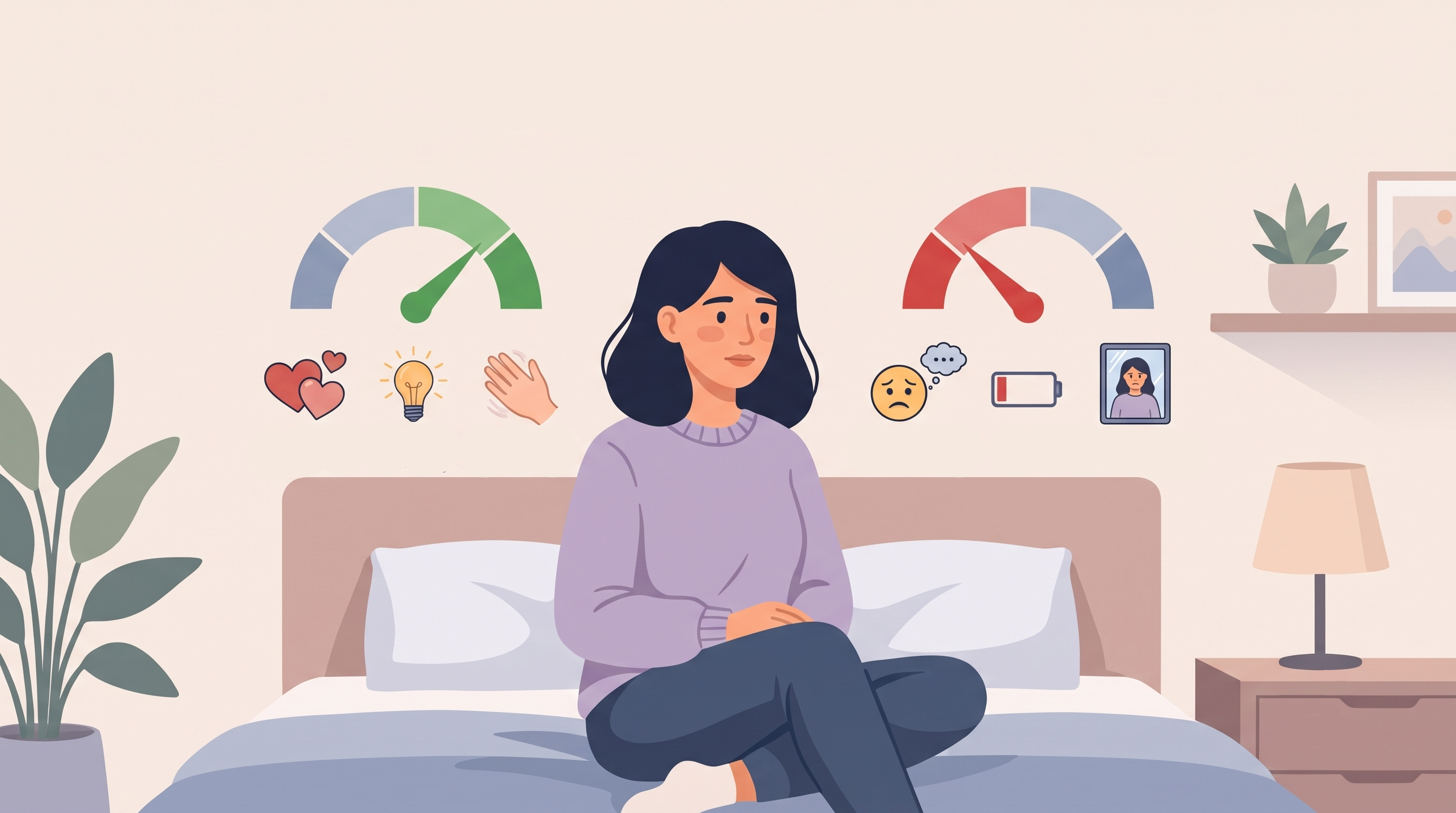
Have you ever wondered why your sexual desire can feel completely unpredictable—igniting effortlessly one day and vanishing the next? According to the Dual Control Model of Sexual Response, our aro...
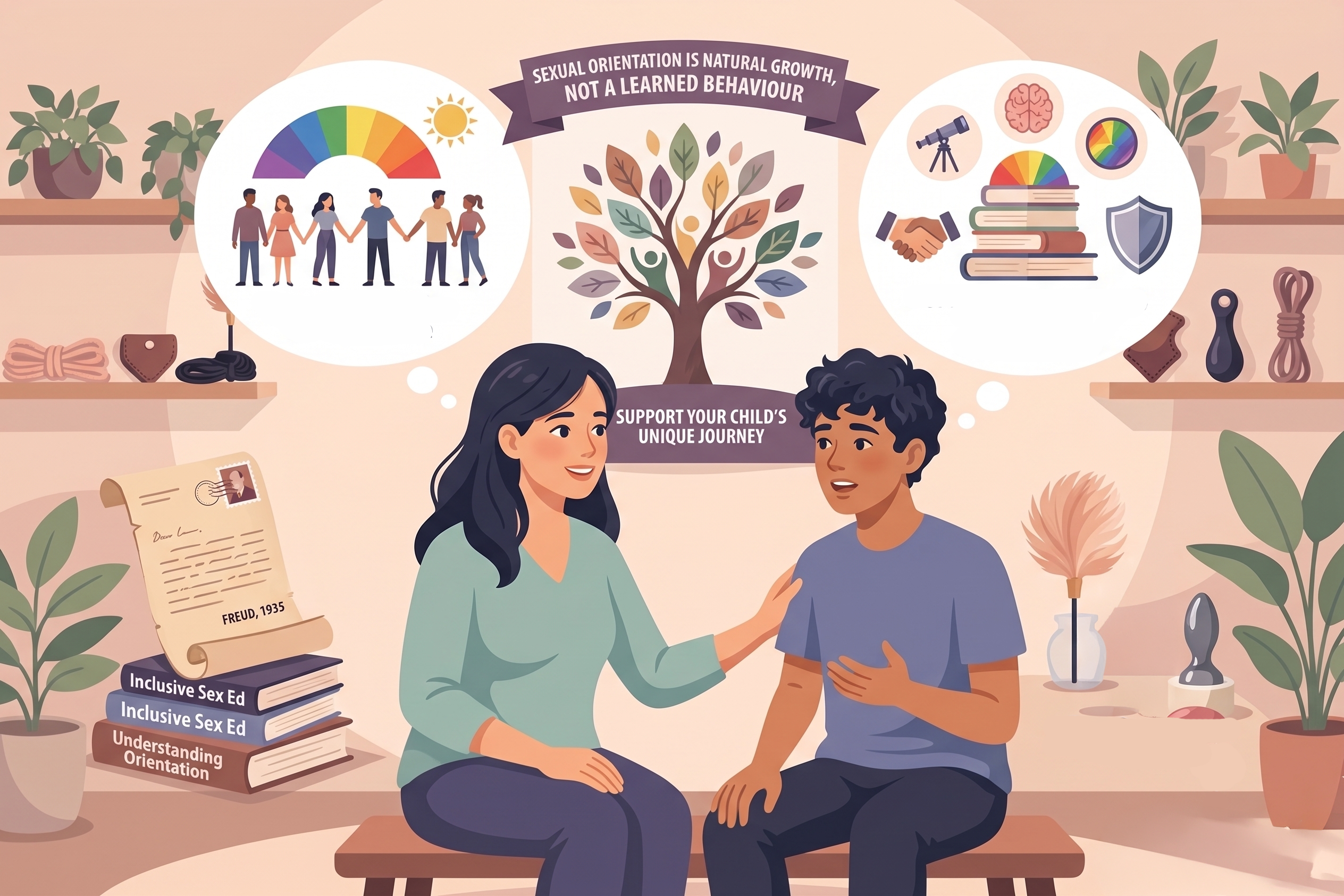
Navigating conversations about sexual orientation with your children can feel daunting, especially with conflicting information swirling around school curricula and social trends. Is sexual orienta...